






Before tackling the 19-kilometer ocean crossing from Fremantle to Rottnest Island across Gage Roads, ensure your vessel is reliable by performing five critical pre-trip checks. Inspect your fuel system for water contamination, evaluate water pump impeller cooling stream pressure, test battery load and terminal connections, check engine and gearcase oil levels, and audit mandatory Department of Transport offshore safety gear. Conducting these checks prevents costly mid-channel breakdowns and keeps your family safe.
The stretch of water separating the Perth coastline from Rottnest Island is one of Western Australia’s most popular boating routes, but it is also an unforgiving ocean passage. Gage Roads and the Naturaliste Channel are prone to sudden afternoon wind shifts, with the afternoon “Freo Doctor” sea breeze quickly turning a glass-like morning surface into a steep, closely spaced two-meter chop.
Engine failure in these ocean conditions presents immediate hazards. Without forward propulsion, a boat quickly loses steering response and turns beam-on to rolling swells, dramatically increasing capsize risk. Volunteer marine rescue crews respond to dozens of avoidable towing calls every season simply because basic mechanical checks were skipped at the boat ramp.
Fuel system issues cause more marine engine breakdowns off the Perth coast than major mechanical failures. Temperature variations cause condensation inside underfloor aluminum fuel cells, causing water to settle at the bottom of the tank. When your hull pounds through ocean chop, this trapped water mixes into the fuel supply and travels straight into your outboard fuel injectors.
Locate your water-separating fuel filter, typically mounted in the transom splashwell or motor well. Inspect the clear bowl for a visible separation line where water sits beneath the lighter blue or amber petrol. If you spot water or sediment, drain the bowl immediately into a clean container and check for further contamination.
Run your hands along rubber primer bulbs and fuel delivery lines. Constant exposure to UV light and salt air dries out rubber components, creating fine surface cracks that draw air into the fuel line and cause engine lean-out conditions. Sniff near underfloor tank vents to ensure no raw fuel odors indicate cracked hoses or leaking tank fittings.
Outboard engines rely on a continuous supply of raw seawater to regulate operating temperatures. The core component of this cooling system is a flexible rubber water pump impeller situated inside the lower gearcase housing.
When an outboard sits idle over the winter months, rubber impellers harden, take a set, or become brittle. Spinning the driveshaft upon startup can shear hardened rubber vanes right off the hub, leaving your engine without active cooling.
If you observe weak water pressure while flushing your motor at home, book an inspection with a qualified boat mechanic in Perth before heading offshore.
Pounding through ocean chopSubjects your boat’s electrical infrastructure to severe mechanical shock. Marine batteries must be securely fastened in heavy-duty battery trays to prevent internal lead plates from fracturing.
Replace standard brass wing nuts on your battery terminals with stainless steel hex nuts tightened with a spanner. Engine vibration routinely loosens wing nuts, creating intermittent electrical arcing that can destroy sensitive outboard ECM computers and alternator rectifiers.
Inspect terminal posts for white or green powdery copper sulfate buildup. Scrub connections clean with a wire brush and coat them with lanolin-based marine protective spray. Remember that a battery reading 12.6 volts on a multimeter can still fail when under the heavy cranking load required to start a cold four-stroke engine.
Four-stroke outboards require clean, unpressurized oil to protect internal valvetrains during high-RPM ocean cruises. Checking engine oil levels takes under two minutes and provides a clear picture of internal powerhead health.
| Oil Appearance | Diagnostic Condition | Recommended Technical Action |
| Clear Amber or Brown | Healthy operating condition | Oil level is correct; proceed with trip. |
| Milky or Opaque White | Saltwater intrusion | Do not run engine; water is entering via gasket or seal failure. |
| Jet Black with Fuel Odor | Heavy oil dilution / overdue service | Schedule a comprehensive diagnostic oil change. |
Always trim your engine fully down to inspect the propeller shaft area. If dark gear oil drips from behind the propeller, discarded monofilament fishing line has likely sliced the propeller shaft seal, allowing seawater to contaminate the lower gearset.
The Western Australian Department of Transport strictly enforces safety equipment regulations for vessels traveling beyond two nautical miles from the mainland coast. Because Rottnest Island sits roughly ten nautical miles offshore, full compliance is legally required.
While visual pre-trip checks are essential for routine peace of mind, they cannot replace factory diagnostic equipment. When you book a Perth boat servicing appointment at an authorized marine workshop in Canning Vale, factory-trained technicians connect specialized diagnostic software directly to your outboard.
These systems read historic fault codes, monitor real-time fuel injector pressures, display operating temperature graphs, and track cylinder compression trends. Catching a failing thermostat or worn water pump housing during scheduled maintenance saves thousands of dollars in major repairs and prevents hazardous mid-channel breakdowns.
An outboard engine requires a professional logbook service every 100 operating hours or once every 12 months, whichever comes first. Even if a boat sits idle, salt air condensation and thermal cycling degrade lower unit oils and harden rubber impellers over time.
A rapid clicking sound indicates insufficient voltage reaching the starter motor solenoid. This issue is commonly caused by a discharged battery, loose terminal connections, or corroded battery cables.
While not legally mandated, a dual-battery system with an isolation switch is highly recommended for offshore trips. It isolates your starting battery from house electronics like fridges, sounders, and lighting while anchored, ensuring you retain cranking power for the return trip.
Contact Marine Rescue Fremantle or Marine Rescue Whitfords via VHF Radio Channel 16. It is best practice to log your departure time, passenger count, and estimated arrival time using their smartphone app or over the radio before clearing the harbor walls.
Yes, running your engine on freshwater flushing muffs allows you to verify battery starting power, check tell-tale stream pressure, and listen for abnormal engine noises before towing your boat to the ramp.
Do not leave your safety to chance in open ocean waters. A mid-channel breakdown between the mainland and Rottnest Island is stressful, expensive, and completely preventable with proper maintenance.
If your boat has sat idle over winter or is approaching its annual 100-hour logbook milestone, let our experienced team inspect your vessel. Bring your boat to our fully equipped service center or speak directly with an authorized boat mechanic in Perth.
Contact the Aquasports Marine Service Team Today on (08) 9250 3339 to book your comprehensive pre-trip health check.
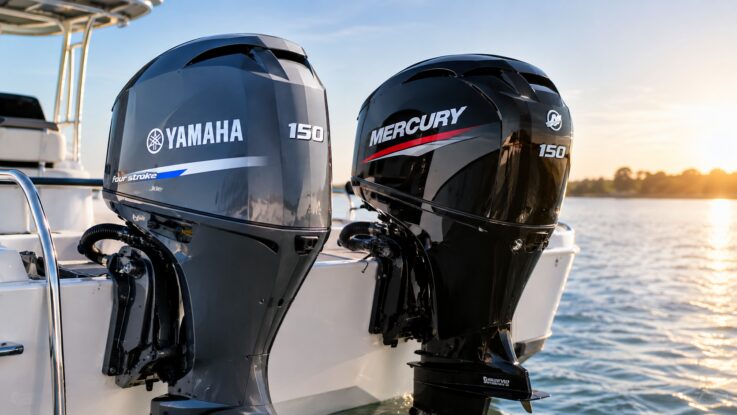
Choosing between a Yamaha and a Mercury four-stroke outboard depends on your specific hull design, ...
Read MoreIf you are looking for boats for sale in Perth, Aquasports Marine offers new and used boats across ...
Read MoreRegular Mercury boat service in Perth helps keep your outboard reliable, efficient and ready for WA...
Read MoreRegular Yamaha boat service in Perth helps keep your outboard reliable, efficient and ready for the...
Read MoreIf you are looking for Yamaha outboards, Quintrex boats for sale, or a reliable marine shop near me...
Read More